
Today, we talked about powerful women, and now it’s the perfect time to speak with one.
Iulia Pop is an influential figure in the Romanian music industry, with over 15 years of experience in event organization, music marketing, booking, and communication.
As the co-founder of Overground Music, she has played a pivotal role in shaping the Romanian alternative scene, representing both established artists and emerging talents. Her passion for crafting unique musical experiences led to the creation of Rooftop Season, a concert series at the National Theatre’s outdoor amphitheater, bringing live music to one of Bucharest’s most picturesque locations.
Iulia has spearheaded strategic communication campaigns for album and single releases, concerts, and national tours, working with notable acts like byron, The Mono Jacks, Robin and the Backstabbers, Grimus, Toulouse Lautrec, EMIL, Dimitri’s Bats, and Lucia.
Beyond Overground Music, she is a co-founder of the Romanian Artists Worldwide Association, the organization behind Mastering the Music Business (MMB)—Eastern Europe’s premier music business conference—where she leads communication efforts.
A strong advocate for gender equality in the industry, Iulia serves as the Head of Communication for Women in Music Romania and has mentored aspiring female professionals through the Women in Music Mentorship Program, helping pave the way for the next generation of women in music.
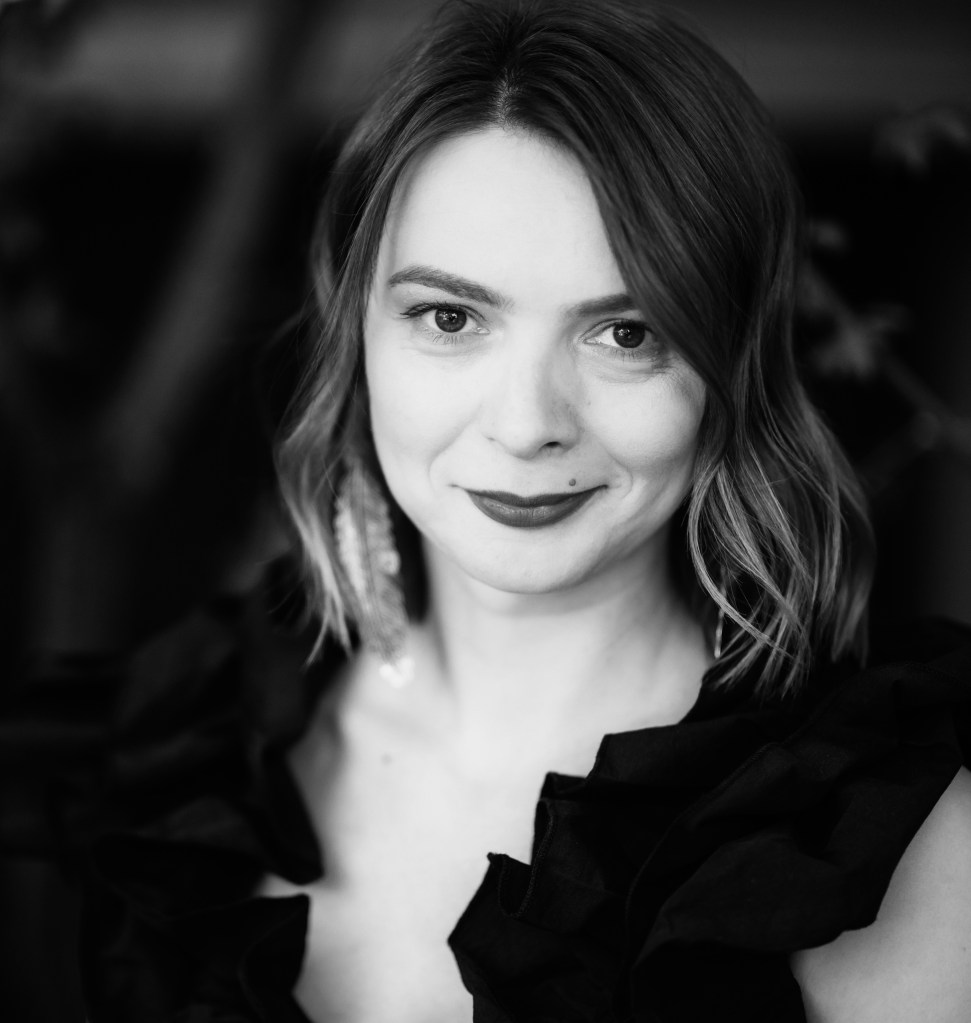
I first talked to Iulia back in 2019 when requesting a press accreditation for one of the bands she was collaborating with at the time. I don’t remember where I got her contact from, but I feel like that moment was an important step for me, both as a music journalist and as a person.
Due to the pandemic, it took three years to meet her face-to-face, at Mastering the Music Business in 2022. From that point on, I truly saw her hard work and what it takes to succeed in the industry—from basic communication with people both inside and outside the music world to handling press and festival relations. For me, she became a role model, and if I ever decide to leave my current jobs to work in PR and communication for a band or festival, she would be the first person I’d turn to for advice.
It might sound like I’m exaggerating if you don’t know her, but before you get the chance to meet her in person, let’s see what she has to say about her career, challenges, and future plans.
What should people know about you before reading this interview?
Whenever I attend international music conferences, people always ask if ‘Pop’ is my real name or a stage name. I never quite know how to respond, as I have always preferred working behind the scenes rather than being in the spotlight. 🙂
Which woman inspired you at the beginning of your career? What have you learned from her?
I really wish I had a mentor when I first started in the music industry—something we’re now trying to offer through the Women in Music Mentorship Program, by guiding and supporting the next generation of female professionals. I learned primarily through hands-on experience, which, while not necessarily the wrong approach, definitely made the road a bit bumpier.
Now, I’m constantly inspired by my colleagues at Women in Music. They all have full-time jobs or run their own businesses but still find the energy to be deeply involved in all the projects we develop.
Outside of music, my biggest inspiration has always been my mom. She somehow managed to balance family and career flawlessly. In the ‘90s, after the fall of communism, she left her stable engineering job to become one of the founders of the Chamber of Commerce in my hometown. She’s the sharpest woman I know, with an incredible memory and a wicked sense of humor.
Why did you choose the music industry? Where does your passion come from?
Honestly, I think the music industry chose me. I’ve always been drawn to the arts—music, theater, film, visual arts, dance. In high school and university, I consumed everything I could find.
At 21, I met Dan Byron, my husband of 10 years now. The same year we met, he founded byron – the art rock band. I was studying Communication and PR at university, and after graduating, I worked in marketing, communication, and online research. In my spare time, I started applying what I had learned to help the band—basically a mix of social media, PR, media relations, and strategy (though back then, it didn’t have such fancy names!).
Did another woman ever warn you about the challenges you’d face in the music industry as a woman? How did you react?
Not that I remember.
Have you faced challenges that only happen to women in this industry? How did you handle them?
Oh, definitely! And I still do 🙂
One of the most common ones is dealing with tech teams who assume I have no clue of what an XLR cable is and believe a stage mixer is the same as a kitchen mixer J Jokes aside, when you’re a woman tour-managing a band, establishing authority with technical teams at venues or festivals can be a challenge. But eventually, things start to smooth out.
On a different note, recently, we had to part ways with a former business partner whose approach was toxic and emotionally abusive. It was a painful experience, and I’m still processing everything that happened. I do feel that women are more exposed to gaslighting and pressure in this industry. We often have to work twice as hard to prove we’re just as good, and unfortunately, patriarchy is still deeply rooted in Romanian society.
Have you ever felt pressured to present yourself in a certain way because of your gender?
There is often an implicit expectation that women should conform to certain behavioral norms. Society still expects women to behave, be polite, smile, and not challenge the status quo. We have to learn—sometimes the hard way—to set boundaries, say no, speak up, and stop doubting ourselves.
What changes would you like to see in the industry to make it more inclusive and welcoming for women?
One of the most pressing issues in the cultural and creative industries is the underrepresentation of women in leadership roles. While Romania has a strong presence of female artists, the business side of the industry remains largely male-dominated. Many talented women work in labels, agencies, and as concert promoters, but very few are in decision-making roles.
Initiatives like mentorship programs, networking events, and projects like HerStory—which highlights not just success stories but also the struggles, sacrifices, and perseverance behind them—are critical in fostering a more inclusive and supportive professional environment.
How optimistic are you about gender equality in the music industry?
I am quite optimistic. Reflecting on the progress made since 2019, when Women in Music Romania was founded, I am both proud and encouraged. At the time, few recognized the need for a mentorship program, yet our community has since grown significantly. The new generation of female professionals—whether managers, PR specialists, bookers, producers, or artists—is much more aware of the opportunities available to them and is increasingly determined to claim their rightful place in the industry.
What is one of your most memorable achievements in your career?
One project I am particularly proud of is Rooftop Season, a concert series we created at Overground last year. Hosted in the outdoor amphitheater of the National Theatre, it showcased a diverse selection of Romanian artists in one of Bucharest’s most scenic settings. It was a significant milestone in bringing alternative music to a prestigious venue, and we are excited to continue the series this year.
Are there any current projects or collaborations you are particularly excited about?
Yes! I am currently working on byron’s Sindromul Impostorului în 4 acte tour—the second leg of a national tour hosted in some of the country’s most remarkable philharmonic and concert halls. This marks my first theater hall tour, and I’m really proud of how it’s coming together!
Additionally, with my colleagues at Mastering the Music Business, we are preparing for the 10th edition of the conference. We have already announced our first speakers—the renowned British artist Katie Melua and her manager—and we will soon reveal more outstanding local and international industry professionals.
Looking back, what are some valuable lessons you’ve learned in your career?
Trust yourself more. Don’t let anyone bring you down. If something isn’t working, try to fix it—but don’t kill yourself over it. Sometimes, it’s better to step back and look at things from a different angle.
What advice would you give to young women pursuing a career in the music industry?
Explore as many sides of the music industry as you can. It’s not enough to know just one aspect. The more you understand the bigger picture, the better you’ll navigate it. A little bit of everything goes a long way!
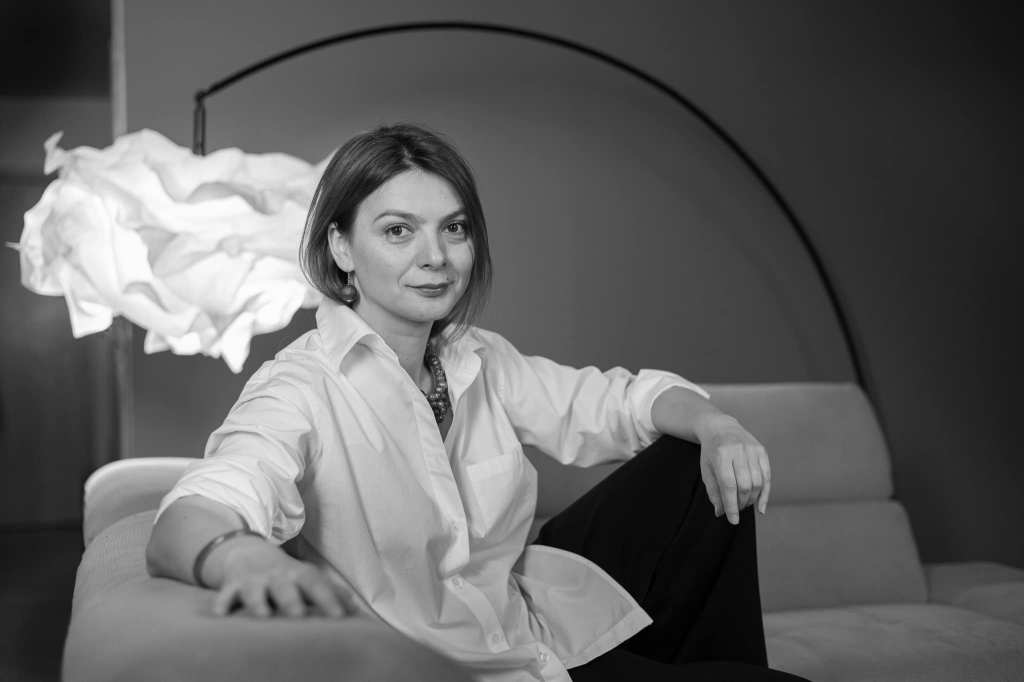
If you want to see what projects are next for Iulia, you can follow her on Instagram, but we also recommend to follow all the organisations, projects and bands described in the interview to see the whole view of working in the industry.
Rock Monsters Romania believes in professionalism and in the chance for women to stand out in an industry that seems dominated by men. Due to this belief, we have decided that once every two weeks on our website, you can find a woman who is making waves in the music industry and offers daily inspiration and support to those around them.
Text by Radu Mihai
Interview by Ionela Pleșan and Radu Mihai
 Rock Monsters Romania
Leave a comment