
Ever since I was little, I’ve loved live concerts. From the typical Vița de Vie and Smiley shows at “Festivalul Berii,” to random Cargo gigs in the worn-down center of Reșița I’ve seen it all. My mom would take me by the hand and we’d go straight to the front, right up against the barrier. As I grew up, things flipped. I started taking my parents with me to concerts. I traveled across the country just to see my favorite bands. I would go to Timișoara, Arad, and other places far outside my comfort zone, just to watch people play music. That was my “hobby.”
Then I got to university and nothing really changed. I kept doing the same thing: searching for the smallest, no-name gigs, or sometimes the more well-known acts, and going to anything I could catch. I still have a photo with me at a concert at Expirat listening to Greetings Sugar and Coma. That was actually my first contact with a show connected to Stray Lights. Somehow, things always come full circle. Because I loved what I was seeing and felt like just showing up wasn’t really enough to support the people on stage I started filming parts of the concerts. I’d upload them to Instagram and tag the bands. In my head, it felt like it helped. I still have footage from 2019 sitting on a modest little account.

At some point, I realized I could do more. I’ve always liked writing, so I thought why not see how I can support this scene in a more meaningful way? That’s how I ended up doing what I do today.
Some people might not understand why we need music journalism, or why it matters to write about what you see and hear. But I know it’s incredibly important especially for bands that are just starting out. And honestly, how else would the hipster in me get to say, “I’ve known Asincron since 2023,” if I hadn’t interviewed them back when they barely had anything released?
With that mindset, I started following the Stray Lights initiative a community of bands trying to support each other. Through contacts, opportunities, access, or simply by being there when it matters.
Stray Lights is an independent alternative music community of Romanian bands, founded in 2019, reborn in 2025. Created around a group of forward-thinking artists, it was reconceptualized in its current form primarily by Vlad Ilicevici of Orkid and Victor Dădaciu of Cardinal.
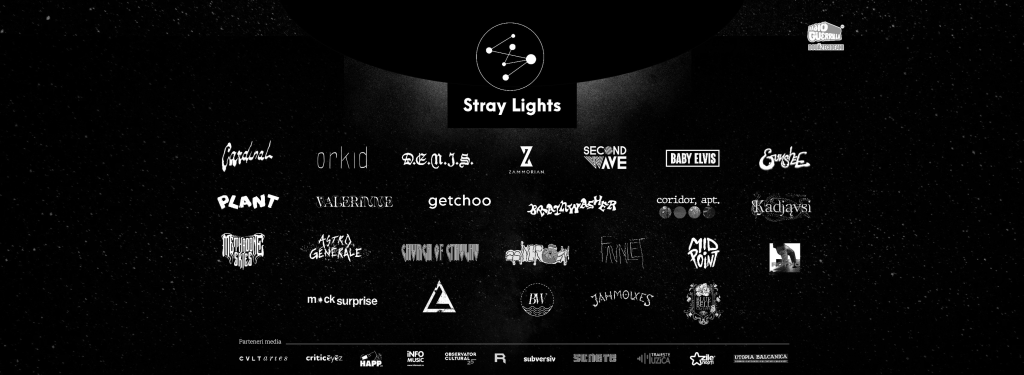
Uniting dozens of active bands including Cardinal, Orkid, D.E.N.I.S, Kadjavsi, Zammorian, Second Wave, Baby Elvis, Gunshee, PLANT, Valerinne, Methadone Skies, Faunlet, Getchoo, Brainwasher, Coridor Apartament, Astro Générale, Taxawall, Asincron, Mock Surprise, Midpoint, Air Lines, Black Water, Jahmolxes, Church of Cthulhu, Bluebell Creeper, and Rotko. Stray Lights acts as a form of cultural resistance in a landscape where alternative music often struggles to survive.
Rather than being a booking agency, label, or production house, Stray Lights is a grassroots initiative a small group of people doing what they can to support each other. Its purpose is to create connection, encourage collaboration, and offer a sense of continuity for artists who are too often overlooked and short-lived due to a lack of structural support.
“Stray Lights 2.0 is a necessity. It’s about bringing together as many bands as possible that are making alternative, relevant, non-anachronistic music in Romania. Most of these bands are ignored, and many disappear after a year or two. There’s no real plan for sustaining or developing this kind of creative expression, even though it’s so necessary. Stray Lights isn’t a booking agency, a label, or a production company it’s just a small group of people trying to help each other however they can. And beyond that, it’s about the joy of being together talking, having a beer, and, from time to time, putting on a show.”
— Vlad Ilicevici (Orkid), initiator of Stray Lights
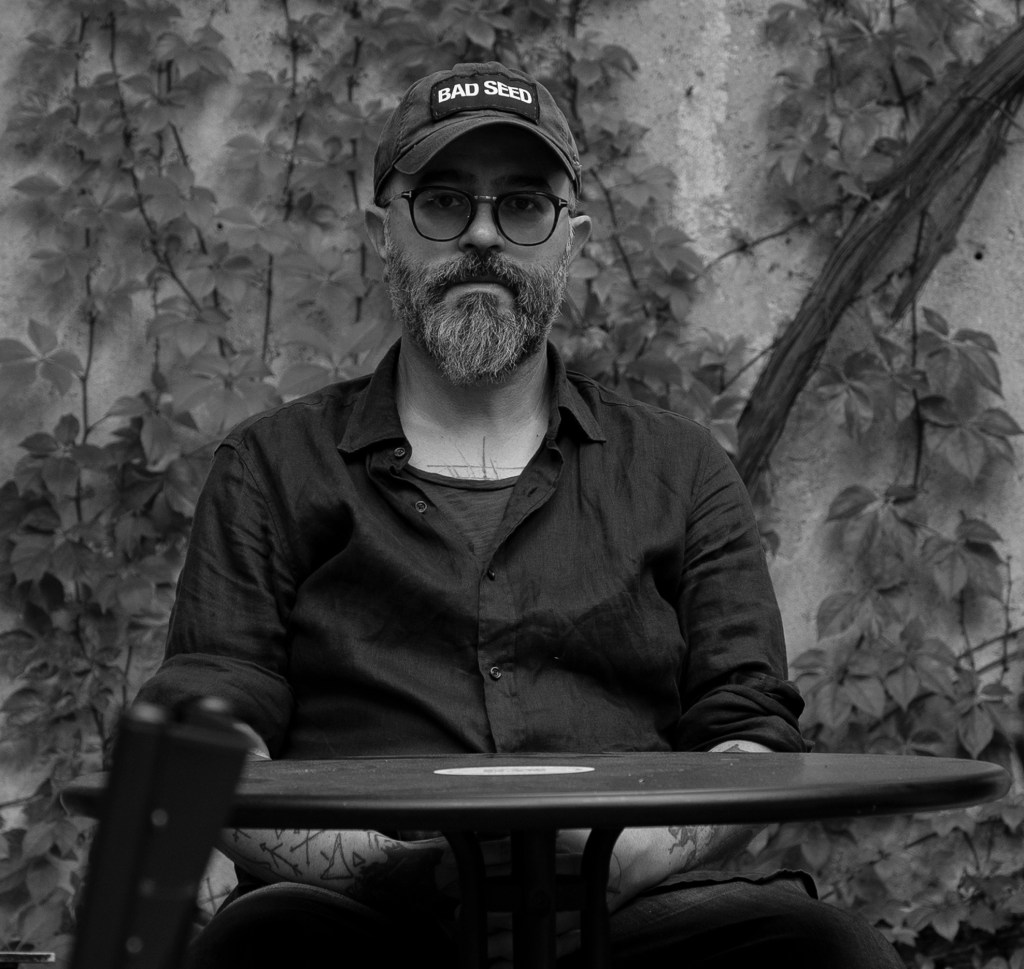
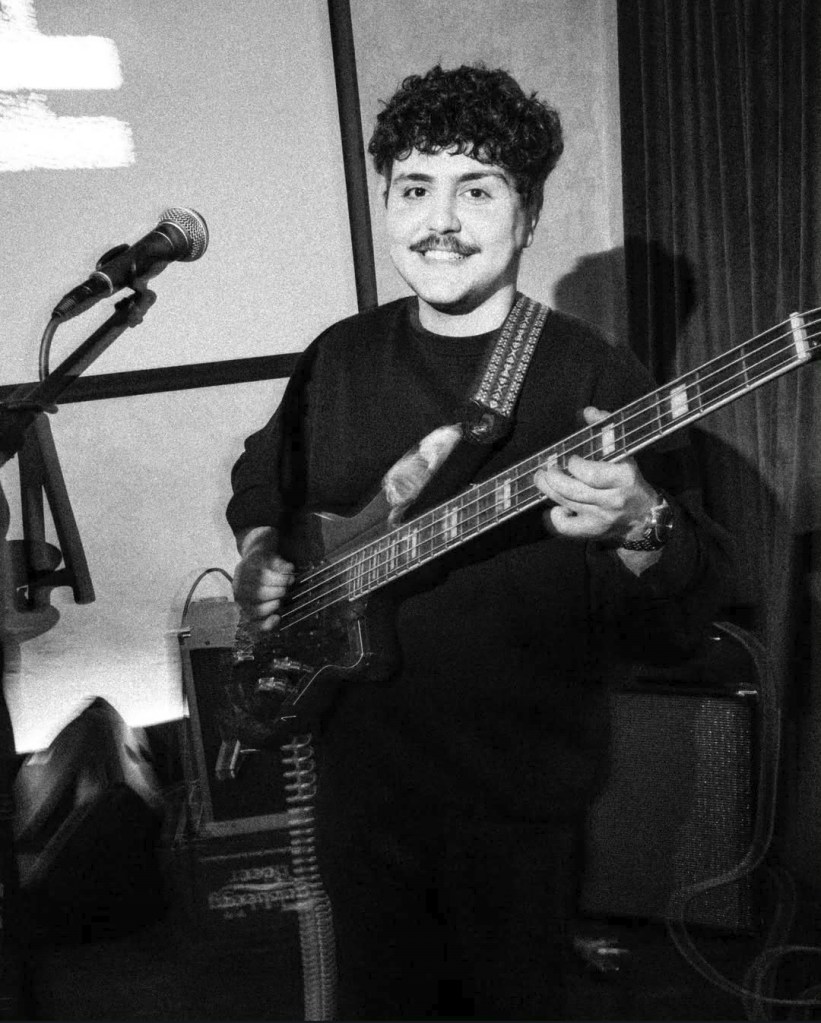
Being naturally curious and someone who loves to help and get involved in the scene, I decided to have a chat with Stray Lights. Let’s see what Victor and Vlad had to say in response to my questions.
How did the idea for Stray Lights first come about in 2019, what issue within the Romanian underground scene were you trying to address at the time, and was it conceived from the beginning as a community of bands or did it gradually evolve in that direction, including how you selected the first bands involved?
Vlad: I think the issue we were trying to address is perpetual in the Romanian music scene. First of all, in our parts, any kind of music that is neither jazz nor classical was never considered cultural. That means it is not relevant for the public or private cultural institutions that support and finance artistic endeavours.
Secondly but of the same importance is that we have no tradition & almost no concept as a community or as spectators to support the creative acts that we like or even love.
Last but not least there is no support from the big (or medium) festivals, radio stations, event organizers & any other established media institutions for the emerging/ experimental/ alternative music. There is a very unhealthy lack of diversity when you look at the line-ups of festival, main events and even music venues, with some very few notable exceptions in Bucharest & even fewer outside Bucharest.
With this lack of support & vision, the future is very dark as the whole “scene” makes huge steps every year towards a completely non-diverse, monotonous, stagnant & unhealthy state of affairs in the local music landscape.
It started as a community of like minded bands back in 2019, after some talks I had with Mihai Velcescu (from Zammorian) and later on with other friends of ours from other bands.
You often say that Stray Lights is neither a label nor an agency, but rather a support network. How does this collaboration between bands actually work in practice?
Victor: You use the tools you have at your disposal and what we currently have is the sheer number of interesting perspectives, a lot of passion, and the internet. These culminate in showing up for each other either physically or digitally, discussing or sharing music, giving advice on the industry, playing shows together, even something as simple as asking if anyone has a very specific type of instrument on our group chat is commonplace. I think it’s really cool to be a part of something that isn’t so strict that you can always fall back on when in need.
What does “DIY” mean in your case, beyond the concept itself?
Victor: Like I said above, you do what you can with what you’ve got. If you have the resources, why not hire a marketing team, a dedicated producer/audio engineer, a booking agent etc.? If you don’t, then you are forced to, well, learn how to do these things yourself and dedicate your time and energy towards them. So, in a sense, DIY-ing is the act of trying despite everything telling you it’s not worth it simply because you love it. I, personally, heavily resonate with that sentiment.
What role can a community like this play in developing an alternative music scene in a country where the musical infrastructure is still quite limited?
Victor: The Romanian alternative music scene has existed, exists, and will always exist with or without Stray Lights, we can never take credit for that. Our objective is simply to tell everyone else about it so they can listen to the great music being made right under their noses. Maybe by joining forces, the scene creates a larger silhouette making it harder to ignore for others in the industry.
You managed to organize events even during the pandemic. How did the scene and your audience change for you before and after that period?
Victor: I wasn’t a part of Straylights before 2025, regrettably, but being a part of Cardinal for the past ~10 years I think I have a relevant perspective on this as well. The number of new bands and listeners exploded after the pandemic. I think those couple of years of isolation made the new generation hungry for live acts and real-life interactions with other people and that has only been a good thing for the level of art being created. Don’t get me wrong, the alternative scene was cool even before COVID, but it was definitely much smaller and more niche than it is now and the disparity is only growing more and more.
Vlad: I think it was all good, even immediately after the first two lockdowns. But it all changed a couple of years ago, and maybe even more so this year. I think the economical and political pressure is more & more visible in the audience numbers. It is harder & harder to convince people (and maybe more so YOUNG people) to go out and enjoy live music. I really hope it is just a phase and it will pass soon.
Why was a pause needed after 2022, what led to the decision to revive the project in 2025, and what is different about “Stray Lights 2.0” compared to the first phase?
Vlad: It was never needed and never planned. Lots of bands that were in the first iteration of the Stray Lights went on a prolonged hiatus (Gunshee, Second Wave, Dormărunt) or even disbanded (Greetings Sugar, The Different Class, Coven Clash) due to the pandemic years & other things.
Stray Lights 2.0 makes lots of more sense. This is the perfect time for alternative music in Romania. Lots of young, enthusiastic, awesome & up-to-date bands: Getchoo, Kadjavsi, Brainwasher, Mock Surprise, D.E.N.I.S., PLANT, Asincron and the one that started it all, imho, Cardinal. And this is all Victor! Thanks, lil brother!
How do you see the Romanian alternative scene evolving between 2019 and 2025?
Victor: The musical influences certainly are a bit different: a lot of bands now are lyrically much more openly emotional, ironic, or both, the music is typically faster, and political themes are basically omnipresent during gigs. The space seems more welcoming to women and other disadvantaged groups than before which is awesome to see, as well.
Why do you think the alternative scene in Romania remains largely underground, and what do you feel is missing the most for it to grow: infrastructure, audience, music media, or funding?
Victor: It’s definitely a combination of all of these, maybe even the dastardly work of a vicious cycle. Romanian trap artists exploded back in 2016-2017 because most kids had already started listening to trap music from the US before the likes of Satra Benz and Azteca had even released their first singles. The audience was already there before the existing infrastructure, media, and funding could catch up. When they did, the largest hip-hop music festival in Eastern Europe, “Beach, Please” (awful name, by the way), happened.
You cannot expect that to happen for other genres like classical music or jazz. With those and alternative music alike, some extra care is needed to build a profitable foundation and our thesis is that Romanians would also listen to alternative music given the chance. We hope to participate in providing that chance.
What differences do you see between how the scene works in Bucharest compared to other cities?
Victor: I have only really participated in one other local music scene (London) and that was only for a pretty short time. However, not only did so many more people there listen to alternative music, there were also so many more venues to play in and so many more people in the audience. We (Cardinal) were lucky enough to play essentially two opening shows in London and both times we had loads of complete strangers show up to the gig, most not even knowing the “headline” acts. It would be cool to be able to replicate that level of interest for live shows here as well.

What makes a Stray Lights concert different from a typical show, and how do you select the bands for your showcases?
Victor: I don’t think they are necessarily different, but I would like to think there is no ego involved. People who have not ever had the chance to interact get to share the stage with each other and wow each other’s fans in the process.
What role do venues like Control Club play in the development of the alternative scene, and do you see other spaces stepping into a similar role as well? In the past, Stray Lights events have also taken place in venues like Londohome and Expirat, and at the end of March you’re returning to Expirat. How important are these kinds of spaces for sustaining the community?
Victor: There is no live music and no community without venues that can handle a live show. They are incredibly important and they all have a role no matter how big or how small. We are grateful to have them around and to be on such good terms with the people that work there.
Vlad: First of all, Stray Lights 2.0 would not have existed if we didn’t have the support of Florin Oșlobanu & Control Club. They are and will always be a part of Stray Lights Community. We are very happy to have the support of other venues & people: Echoes, Expirat, One Day Live, Bazar de Muzică, Anca Spiridon, Codrin Magirescu, Constantin Vasile & hopefully many more in the future.
What are the dream goals for Stray Lights, and what are the more realistic plans and directions you want to take in the coming years?
Victor: My dream would be to have a way of organizing tours in Europe which has always been a goal with Cardinal. The amount of people who listen to alternative music outside of the country is huge, if we as a community can reach them, then we might be able to really solidify this movement as more than just a moment in time.
Vlad: I hope that at some point in the not so distant future we will have some bands that can support themselves only through the music they make. From that moment on, a real and constant evolution will be really possible.
When was the moment you realized that the project actually matters for the local scene?
Victor: I am not sure we have reached that point, yet, but I love seeing people from different corners of the alternative space interact and mingle. Building on that communication might be key.
What has been the most chaotic or memorable concert you’ve organized so far?
Victor: The Bluebell Creeper and Jahmolxes gig comes to mind. From the screams and sharp dissonance of the former to slow, heavy, melodic, and gigantic riffs of the latter, the whiplash was endearing and perfectly encapsulates the variety the community can produce. It helps that both bands are sick as hell, too.
What’s the difference between the bands that started the project in 2019; Orkid, Zammorian, Second Wave, Greetings Sugar, Dor Mărunt, DayDay and the new bands that are part of the community in 2026?
Victor: I really don’t see a difference except for the different musical influences that the younger bands grew up with and the respective states the scene was in when they started out. It’s actually kind of funny to see similar personalities grow up in different times.

Tickets here
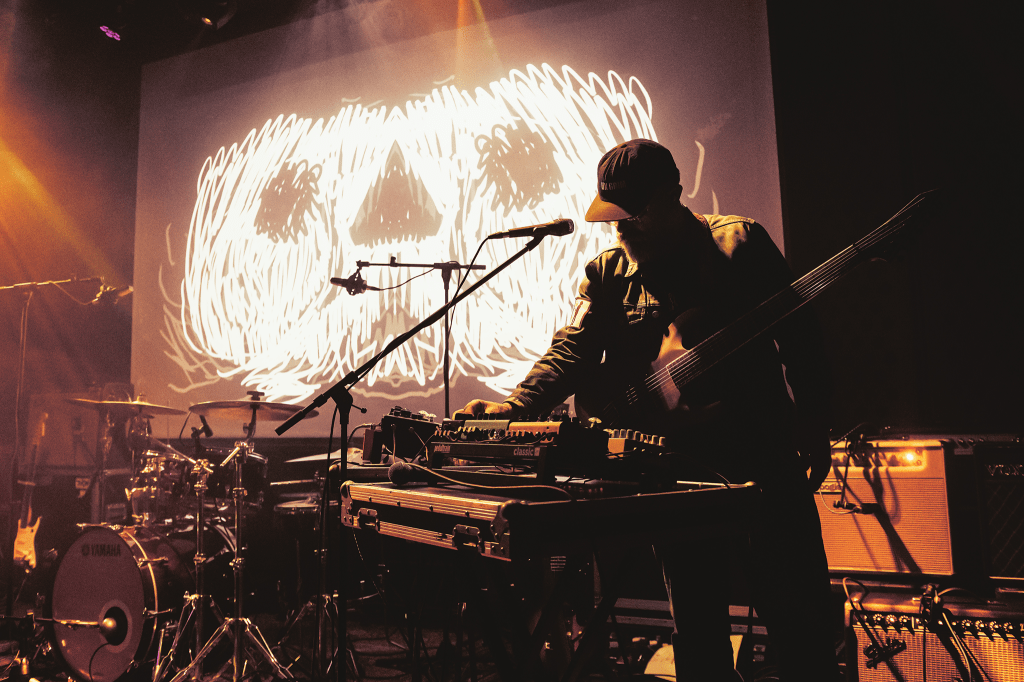
This event also ties into my interview with Stray Lights, as “ Stray Lights ×Bazar de Muzică – Vol. 1” marks the release of their vinyl compilation and brings together bands like Orkid and PLANT for a special concert. More than just a gig, it’s designed as an immersive audio-visual experience, blending alternative music with artistic visuals. Orkid delivers an eclectic, multidisciplinary show, while PLANT comes in with a fresh, energetic, and experimental sound. The project reflects the dedication behind the scenes, Bazar de Muzică even drove all the way to Austria to pick up the vinyls themselves. Overall, it stands out as an important moment for the local alternative scene, connecting music, art, and community something Stray Lights also touched on in the interview.
Wrapping up this conversation with Stray Lights, what stands out the most is not just the music, but the drive to build something real around it a community, a space, a moment. From the stories behind their work to the energy they’re putting into this release, it’s clear that this is more than just a project.
So if you want to experience it properly, not just read about it, let’s meet in front of the stage. On March 31, at Expirat, Stray Lights together with Bazar de Muzică are celebrating the vinyl release alongside Orkid and PLANT and it’s shaping up to be one of those nights you don’t want to miss.
See you there!
Interview by Ionela Pleșan
 Rock Monsters Romania
Leave a comment